1. Introduction: A New Era of Human–Technology Synergy
The rapid advancement of automation technologies is reshaping global industries at an unprecedented speed. What started as simple mechanization has evolved into an interconnected ecosystem of robotics, AI-driven decision-making, digital twins, connected sensors, and autonomous systems. Today, “smart automation” no longer means replacing human labor—it represents a strategic shift where human intelligence and machine efficiency complement one another.
In Vietnam, this transformation is accelerating as foreign enterprises expand production, optimize supply chains, and strengthen engineering capabilities. As businesses seek reliable partners for automation design, simulation, and integration, companies like TASVINA play a critical role in enabling smarter, safer, and more efficient operations.
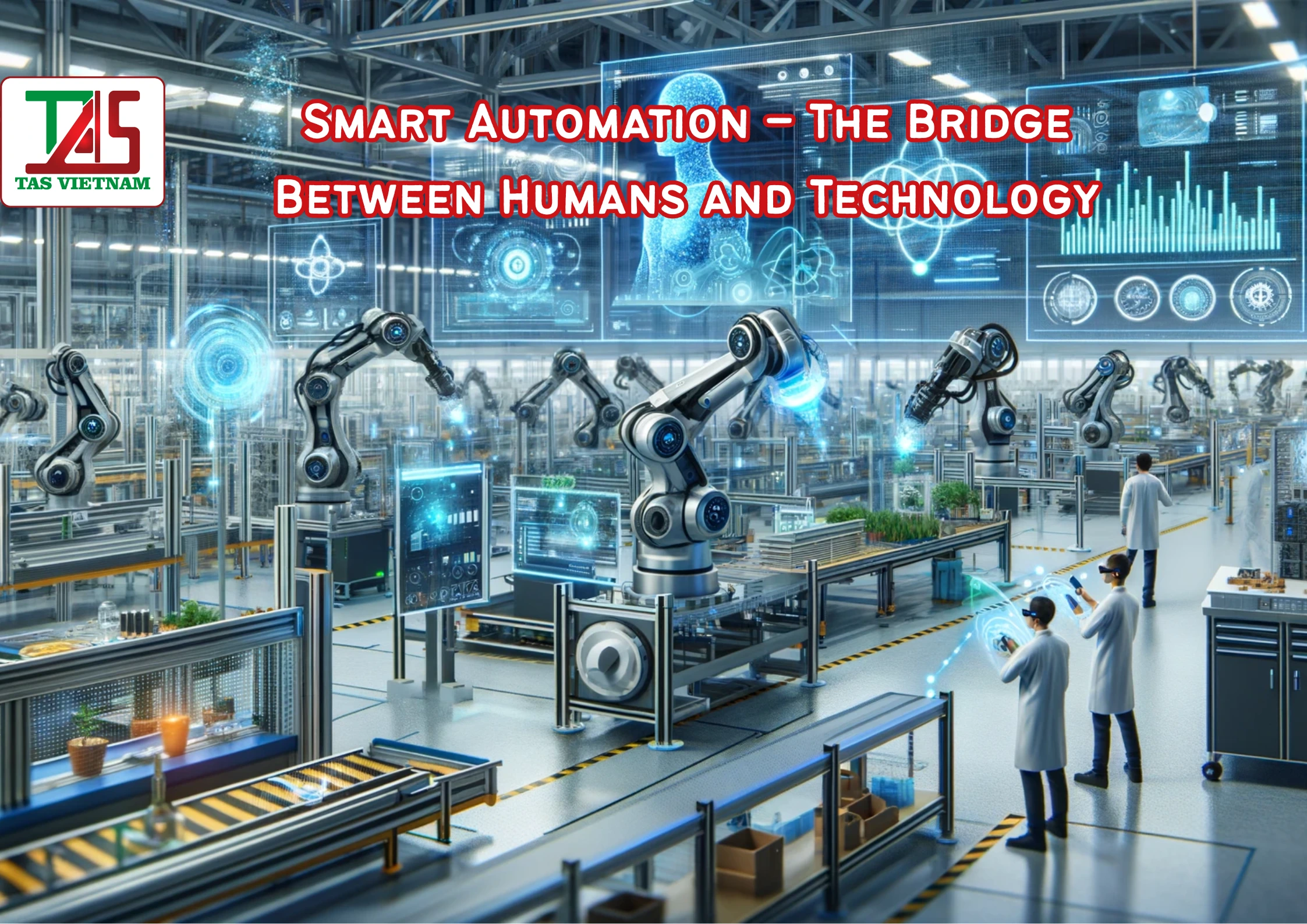
Smart automation is not merely a technological upgrade; it is a bridge between humans and technology, helping engineers work faster, make smarter decisions, and unlock new levels of productivity.
2. What Is Smart Automation?
Smart automation combines traditional automation with intelligent technologies such as:
-
Robotics & Cobots
-
AI-based decision-making systems
-
Industrial IoT (IIoT)
-
Real-time data analytics
-
Digital twin simulation (CAE, system modeling)
-
Advanced sensors and machine vision
-
Autonomous manufacturing systems
Unlike traditional automation—which focuses mainly on repetitive mechanical tasks—smart automation integrates learning, self-optimization, and human collaboration. Machines do not simply execute commands; they adapt, predict failures, and support operators with actionable insights.
3. Why Smart Automation Matters in Modern Manufacturing
Manufacturing environments are becoming more complex: shorter product cycles, higher quality demands, labor shortages, and pressure for cost efficiency. In such a context, smart automation delivers three fundamental advantages:
a. Increased Productivity and Reliability
Smart machines operate with consistency and minimal downtime. With predictive analytics, manufacturers can anticipate issues before they occur, reducing production interruptions.
b. Enhanced Precision and Quality
Robotic arms, machine vision, and closed-loop systems ensure accuracy beyond human capability, especially in industries like automotive, electronics, precision engineering, and material processing.
c. Human Empowerment
Automation does not eliminate human roles—it enhances them.
Engineers can shift from manual labor to system supervision, data interpretation, and innovation-driven tasks, enabling higher job satisfaction and better career development.
4. Human–Technology Collaboration: The Core of Smart Automation
The most important advantage of smart automation lies in its ability to foster collaboration between humans and intelligent systems.
Collaborative robots (Cobots)
Cobots are designed to work beside humans safely. They support tasks such as:
-
Assembly and inspection
-
Precision welding
-
Material handling
-
Testing and validation
Instead of replacing workers, cobots reduce physical strain and improve workplace safety.
AI-powered assistance
AI systems can analyze vast data sets faster than any engineer can manually. They offer recommendations on:
-
Optimal manufacturing parameters
-
Quality control decisions
-
Equipment health status
-
Resource allocation
Human experts remain the final decision-makers, while AI helps them make more informed choices.
Digital twins and CAE integration
Through simulation, engineers can evaluate designs, test failure scenarios, and optimize systems without disrupting real operations. This significantly reduces development cost and time.
5. Industry 4.0 and Vietnam’s Growing Automation Landscape
Vietnam is emerging as a major manufacturing hub in Asia. Alongside strong foreign direct investment, industries such as electronics, automotive components, and high-tech manufacturing are rapidly upgrading.
Foreign companies operating in Vietnam increasingly require:
-
Engineering outsourcing support
-
Automation design & integration
-
Simulation-driven decision-making
-
CAD/CAE/CAM/BIM digital transformation
-
System optimization and maintenance strategies
TASVINA’s multidisciplinary engineering teams are well-positioned to support these demands, combining local capability with international standards.
6. Key Applications of Smart Automation
Smart automation is applied across various stages of the engineering and manufacturing lifecycle:
1. Product Design
-
CAD modeling
-
Simulation (CFD, FEA, kinematics, structural analysis)
-
Design optimization
2. Manufacturing & Production
-
Robotic assembly lines
-
Automated welding
-
Quality inspection using AI vision
-
Predictive maintenance
3. Factory Digitalization
-
Data acquisition systems
-
Real-time dashboards
-
Energy and process optimization
4. Facility and Asset Management
-
Digital twins
-
Automated monitoring systems
-
IoT-based asset lifecycle management
Smart automation does not function in isolation—its value comes from connecting all systems into a synchronized digital ecosystem.
7. The Human Factor: Skills Required in the Automation Era
As automation expands, engineering roles evolve rather than disappear. Key future-ready competencies include:
-
Data-driven decision making
-
System integration knowledge
-
Simulation and modeling expertise
-
Robotics operation & programming
-
Multidisciplinary engineering understanding
-
Problem-solving and innovation-oriented mindset
TASVINA supports clients not only with engineering services but also with knowledge-sharing and capability building through collaborative projects.
8. How Smart Automation Strengthens Business Competitiveness
Automation is now a strategic investment, not an optional upgrade. Companies adopting smart technologies experience:
-
Shorter production cycles
-
More stable quality output
-
Reduced human error
-
Lower operational cost
-
Improved safety standards
-
Greater flexibility for product variation
In global competition, the companies that successfully integrate automation will lead the market.
9. TASVINA’s Role: Your Engineering Partner in Vietnam
As foreign manufacturers expand their presence in Vietnam, TASVINA provides a complete suite of engineering outsourcing solutions, including:
-
CAD design & modeling
-
CAE simulation (structural, thermal, CFD, crash, NVH)
-
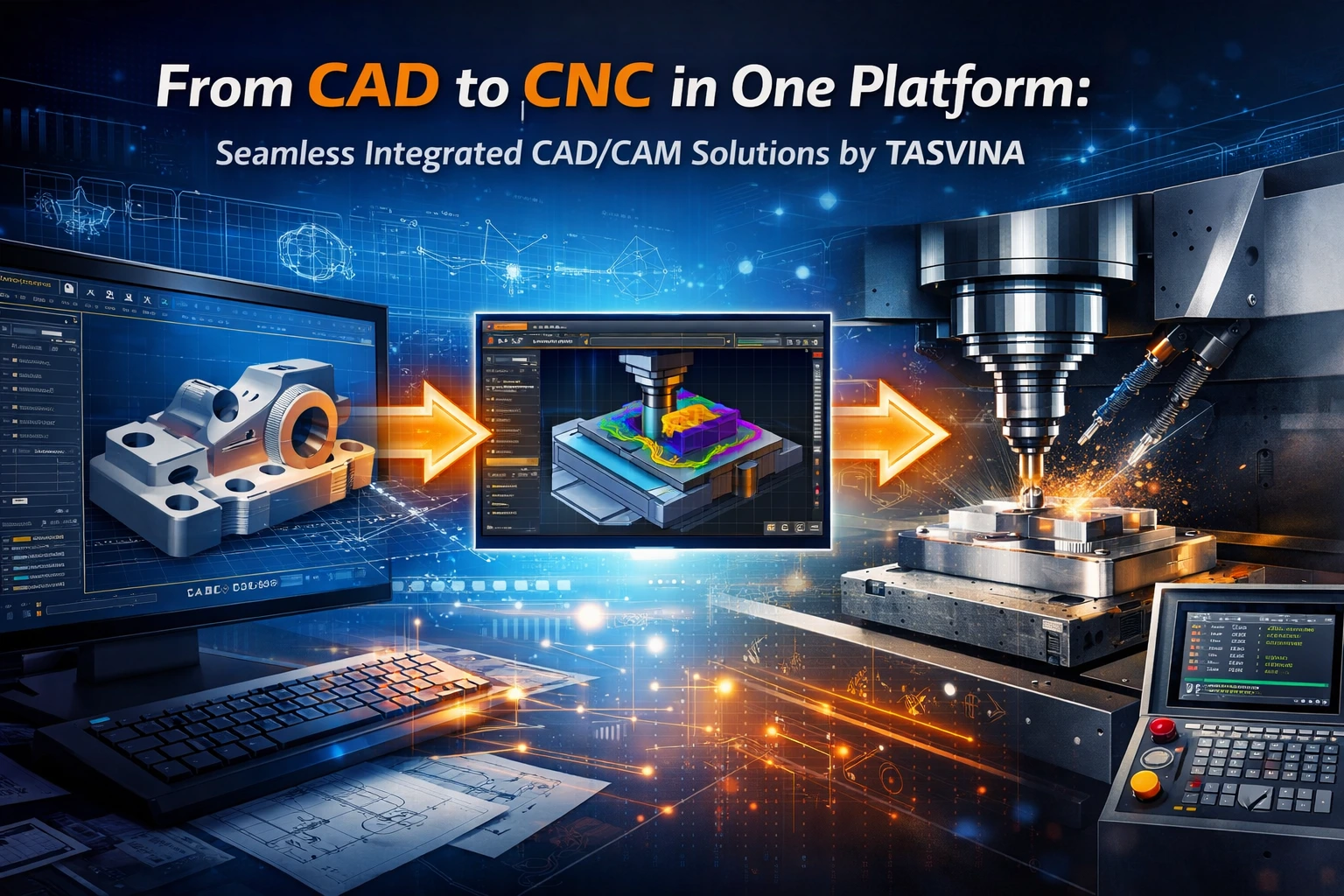
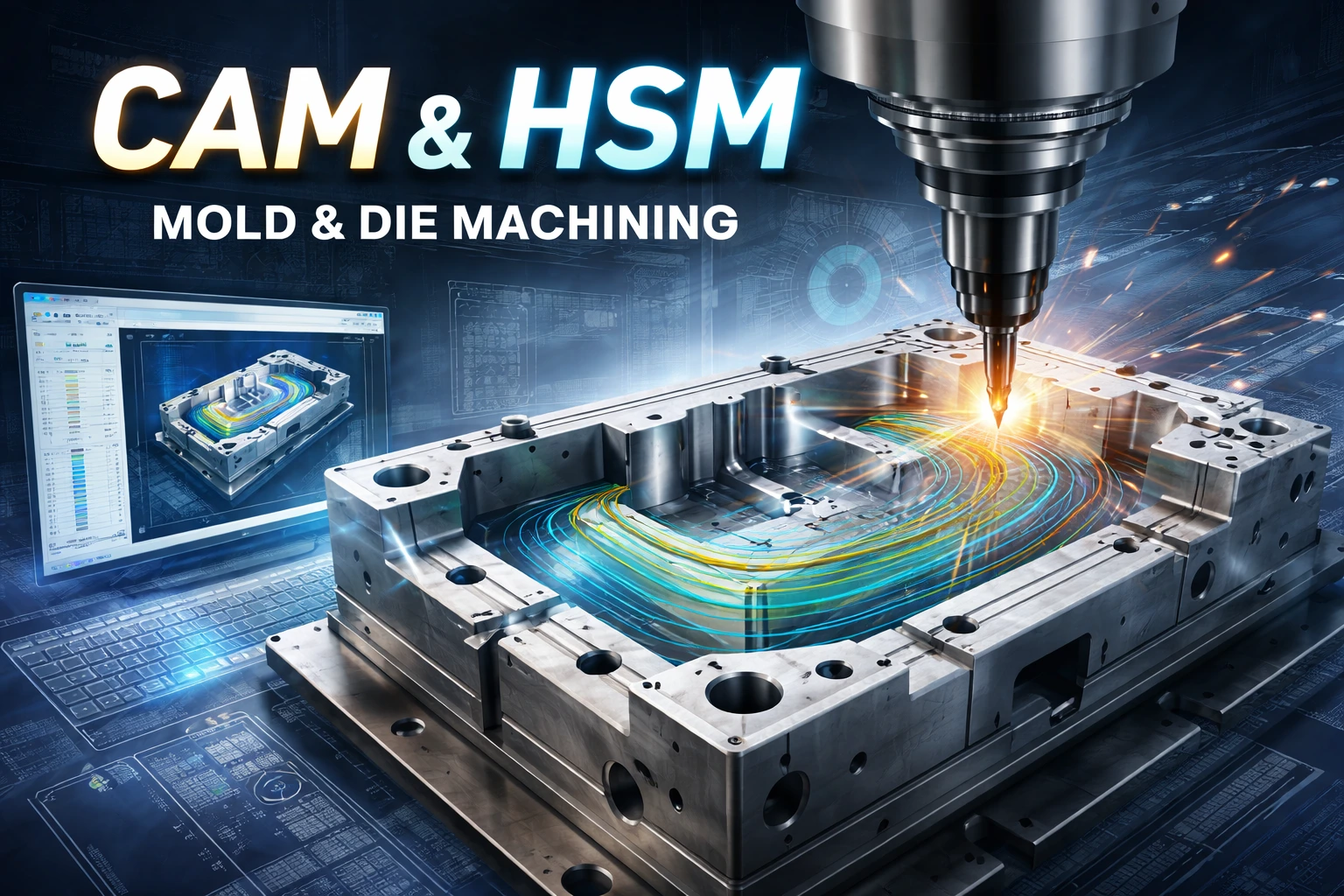
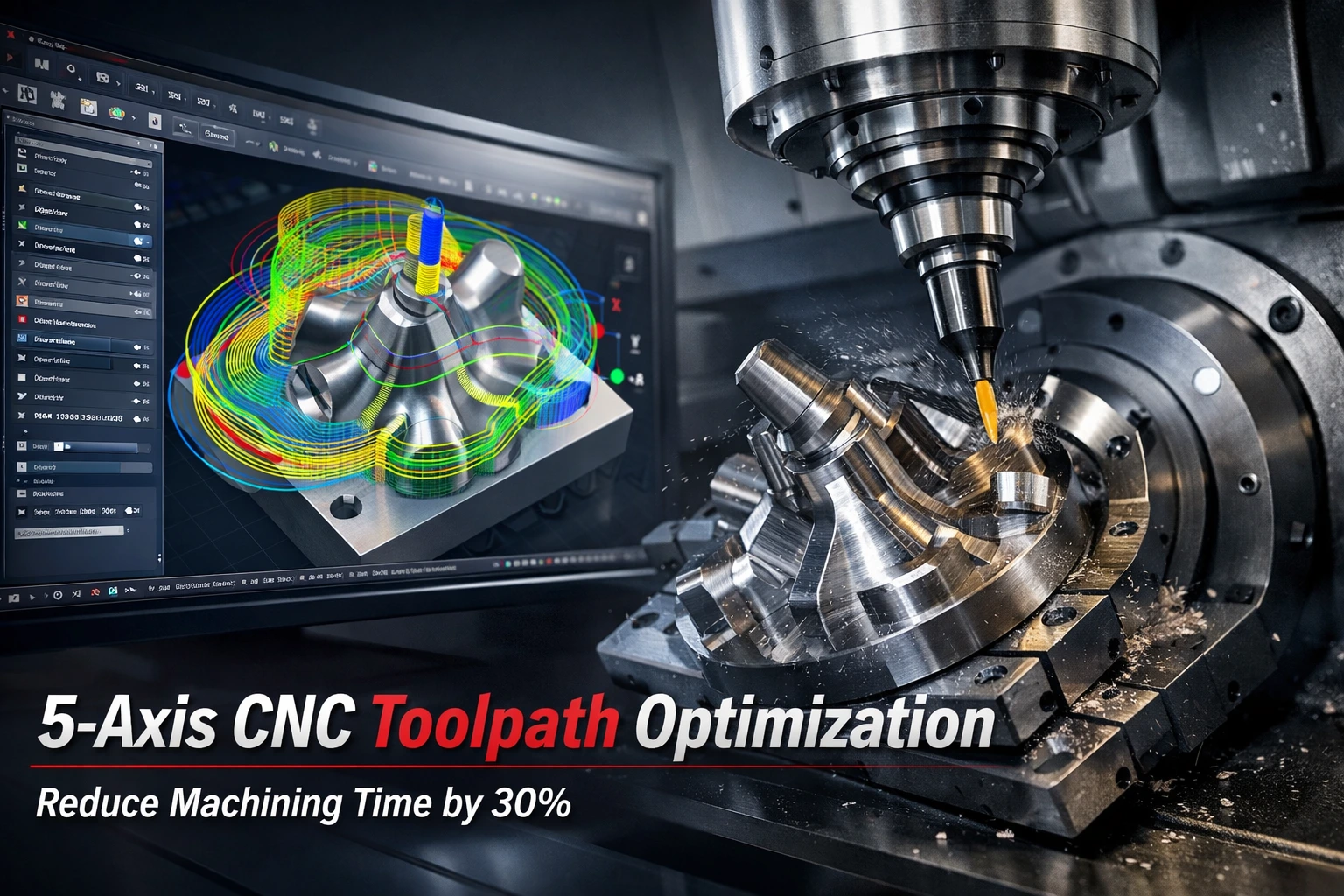
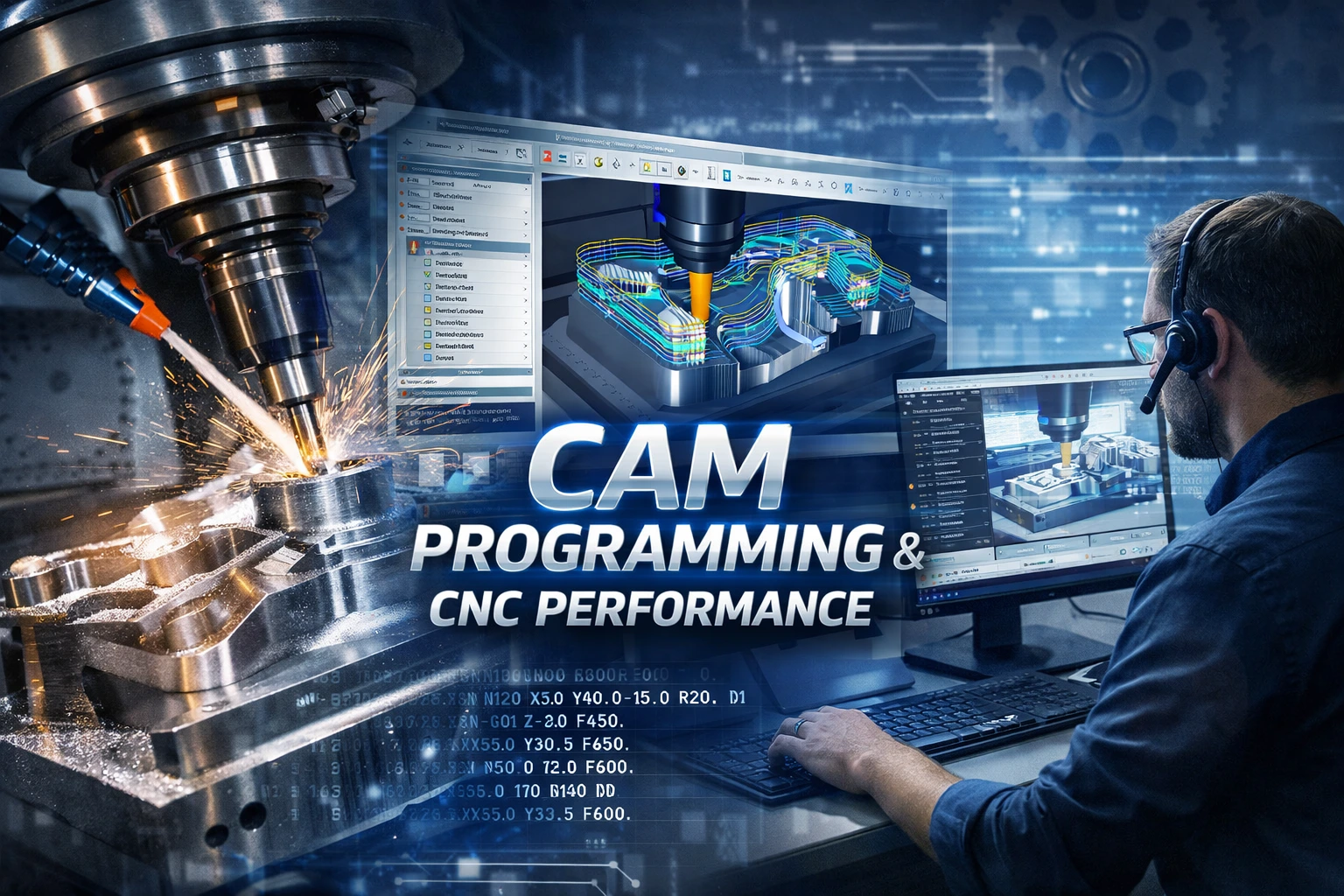
CAM programming & manufacturing support
-
Automation & robotics integration
-
BIM & structural detailing
-
Digital transformation for engineering companies
Combining skilled engineers, strong project management, and international-quality processes, TASVINA helps businesses accelerate innovation and scale operations efficiently.
10. Conclusion: Automation as the Bridge to the Future
Smart automation is not about replacing humans—it is about strengthening human capabilities with intelligent technologies. The synergy between engineers and machines is redefining how products are designed, manufactured, and maintained. Companies that embrace this transformation will unlock greater efficiency, quality, and innovation.
As Vietnam continues to grow as a global manufacturing hub, smart automation becomes the essential bridge connecting human expertise with advanced technology—and TASVINA is here to help build that bridge.